
Are We Underestimating the Body’s Ability to Convert Plant Omega-3 Into DHA?
An interesting scientific study raises questions worth asking.
For many years, we have heard that plant-based omega-3 fatty acids, such as alpha-linolenic acid (ALA) found in flaxseed and chia seed oils, are converted into EPA and DHA by the body, but that conversion into DHA is generally very limited.
This has been one of the reasons why fish oil and algae-derived DHA remain important sources of omega-3 ingredients.
But what if the way we measure that conversion does not tell us the complete story?
A 2024 scientific study from researchers at the University of Toronto raises precisely this question.
What Did the Researchers Discover?
The study, published in the Journal of Nutritional Biochemistry, examined how dietary ALA was converted into DHA in male and female mice.
The researchers found a striking difference between two measurements:
Approximately 0.2% conversion when measured using DHA appearing in blood serum.
Approximately 9.5% when the researchers estimated DHA synthesis across the whole body.
That is a substantial difference.
Importantly, these were findings in mice, not humans. They do not establish that humans convert ALA into DHA at the same rate.
Nevertheless, the findings raise some interesting questions.
Are We Measuring the Right Things?
If DHA is produced in the body but does not necessarily appear in the bloodstream in proportion to its production, could blood measurements underestimate total DHA synthesis?
Could some DHA be produced, distributed, or retained in tissues without being adequately represented by measurements in circulating blood?
And if so, how might this influence our understanding of plant-derived omega-3 fatty acids?
These are questions for nutritional scientists to investigate, not conclusions we can draw from one animal study.
Does This Mean Plant Omega-3 Can Replace Fish Oil?
That is perhaps the most interesting question from an ingredient perspective.
Flaxseed and chia seed oils are naturally rich in ALA. Fish oil supplies EPA and DHA directly, while certain algae oils provide DHA or combinations of EPA and DHA.
If researchers eventually establish that the human body produces more DHA from ALA than previously estimated, could that influence how we evaluate different omega-3 sources?
Would it change how formulators think about combining plant oils with algae-derived DHA?
Could it open additional opportunities for nutritional products that rely less heavily on marine fish oils?
At present, the mouse study does not answer these questions.
It also does not demonstrate that ALA provides the same nutritional outcomes as consuming preformed EPA and DHA.
Why Does This Research Interest Us?
At NPRI-O2P, our expertise is in converting functional oils into water-dispersible powders for nutritional applications.
We work with different types of oils, including fish-derived omega-3, algae-derived omega-3, and plant-based functional oils.
As an ingredient manufacturer, we naturally follow scientific developments that may influence the future selection and application of these ingredients.
We do not conduct human nutritional research, and we do not claim to interpret its clinical implications.
However, we believe that asking thoughtful questions about emerging research is worthwhile.
The Question Remains Open
Could our understanding of ALA conversion into DHA be incomplete?
Perhaps.
The 2024 study offers an interesting reason to investigate further, but additional research, particularly in humans, is necessary before conclusions about nutritional requirements or ingredient substitution can be drawn.
For now, the important point is not that established nutritional science has been overturned.
It is that science continues to evolve, and sometimes new research challenges us to reconsider how familiar questions are being measured.
At NPRI-O2P, we will continue following these developments with interest.
Scientific Reference
Rotarescu RD, Mathur M, Bejoy AM, Anderson GH, Metherel AH. (2024). Serum measures of docosahexaenoic acid (DHA) synthesis underestimates whole body DHA synthesis in male and female mice. Journal of Nutritional Biochemistry, 131, 109689.
DOI: https://doi.org/10.1016/j.jnutbio.2024.109689
About NPRI-O2P
NPRI-O2P, LLC specializes in proprietary room-temperature Oil-to-Powder (O2P™) technology for functional oils used in nutritional applications.
Learn more: https://o2pus.com
Need Help With Your Formulation?
Whether you’re developing a new oil powder, improving product stability, or solving formulation challenges, our technical team is ready to help. Contact us for formulation guidance, product recommendations, or sample requests.
Recommended Technical Articles
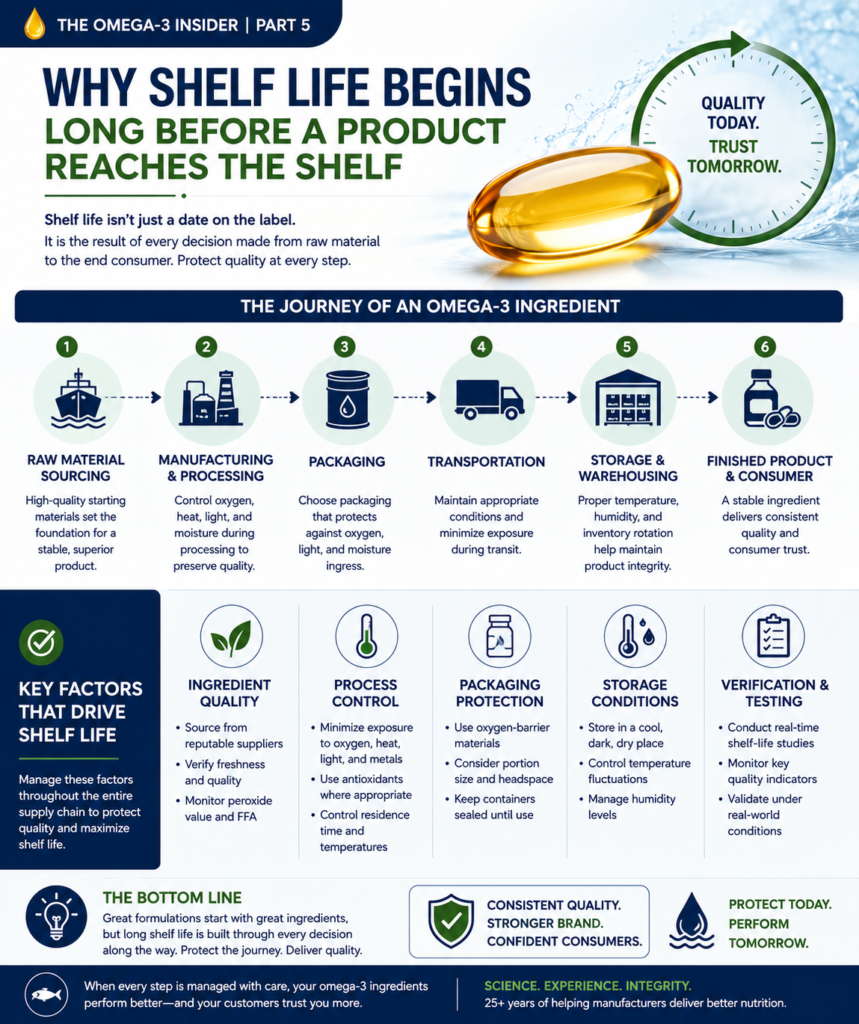
Why Shelf Life Begins Long Before a Product Reaches the Shelf
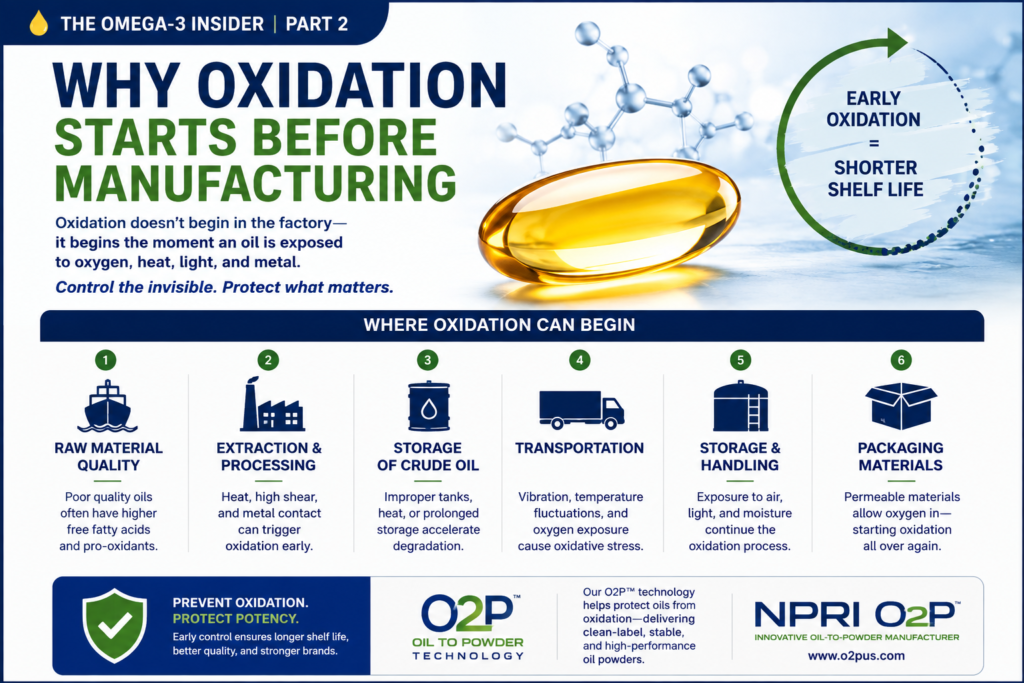
How O2P™ Technology Protects Oils from Oxidation
Shelf life begins long before a finished product reaches the consumer. Learn how raw material quality, manufacturing, packaging, storage, and transportation all contribute to product stability and long-term performance.
Oxidation begins long before oils reach the manufacturing line. Learn how raw material quality, processing, storage, transportation, and oxygen exposure can silently reduce stability, potency, and shelf life.
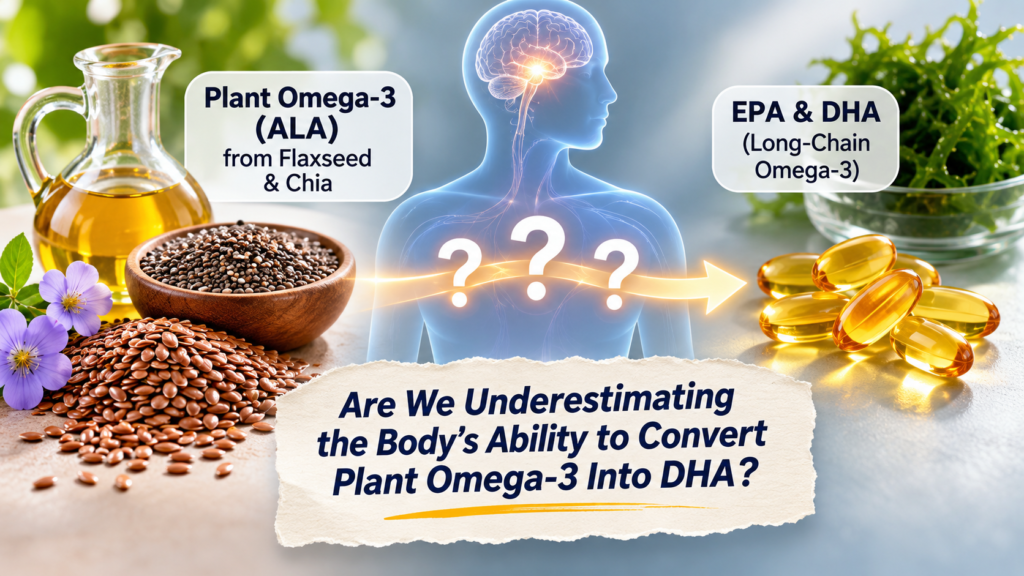
A 2024 study raises questions about whether blood measurements underestimate DHA synthesis from plant-derived omega-3. What does the research actually tell us?