
People Don’t Buy Oil—They Buy Better Health
Consumers rarely purchase an oil simply because of the oil itself. They purchase it because of the health benefits associated with the fatty acids contained within it.
They are looking for better cardiovascular health, sharper cognitive function, healthier joints, improved vision, sustained energy, or better skin and coat health for their pets.
The oil is the delivery vehicle. The fatty acids are what create the nutritional value.
Why Fatty Acid Profiles Matter
Two oils may appear similar on a product label but provide very different nutritional benefits depending on their fatty acid composition.
Important examples include:
EPA, an omega-3 fatty acid commonly associated with cardiovascular and inflammatory support.
DHA, which plays an important role in brain function, eye health, and early development.
Oleic acid, a monounsaturated fatty acid valued for its cardiovascular benefits and relatively good oxidative stability.
Medium-chain triglycerides, commonly known as MCTs, which are rapidly metabolized and used as a convenient source of energy.
As consumers become more knowledgeable, manufacturers must move beyond simply identifying the source of an oil. They must also understand and communicate the specific fatty acids that provide the desired health benefits.
The Challenge of Protecting Nutritional Value
Many beneficial oils are highly sensitive to oxygen, heat, moisture, and light.
During processing, transportation, storage, and product manufacturing, these oils may gradually oxidize. Oxidation can create undesirable odors and flavors while also reducing the nutritional quality of the finished product.
This means that selecting a premium oil is only the first step.
Manufacturers must also consider how the oil will be protected throughout the product’s entire life cycle.
A high-quality oil that loses potency or stability before reaching the consumer cannot deliver its intended value.
From Ingredient Selection to Benefit Preservation
The future of functional nutrition will not be based solely on adding popular oils to a formulation.
Successful products will need to:
- Select oils based on their fatty acid profiles.
- Preserve sensitive fatty acids during manufacturing.
- Maintain stability throughout transportation and storage.
- Deliver consistent nutritional value through the end of shelf life.
- Clearly communicate meaningful health benefits to consumers.
This approach is especially important in dietary supplements, functional foods, beverage powders, and pet nutrition products, where oils may be exposed to complex manufacturing and storage conditions.
How O2P Technology Supports Sensitive Oils
O2P technology converts liquid oils into stable, free-flowing powders without relying on conventional high-temperature spray drying.
The process is designed to help protect sensitive oils while making them easier to handle, transport, blend, and incorporate into dry product formulations.
Depending on the application, oil powders can also provide improved dispersibility, more accurate dosing, and greater formulation flexibility.
The objective is not simply to convert an oil into a powder.
The objective is to preserve the fatty acids and nutritional benefits that made the oil valuable in the first place.
People do not buy oils merely because of their ingredient names.
They buy the benefits those oils are expected to provide.
For manufacturers, this creates a responsibility to choose the right fatty acid profile, protect it during processing, and preserve its nutritional value throughout the finished product’s shelf life.
Health benefits begin with healthy fatty acids—and those fatty acids must remain protected until they reach the consumer.
Need Help With Your Formulation?
Whether you’re developing a new oil powder, improving product stability, or solving formulation challenges, our technical team is ready to help. Contact us for formulation guidance, product recommendations, or sample requests.
Recommended Technical Articles
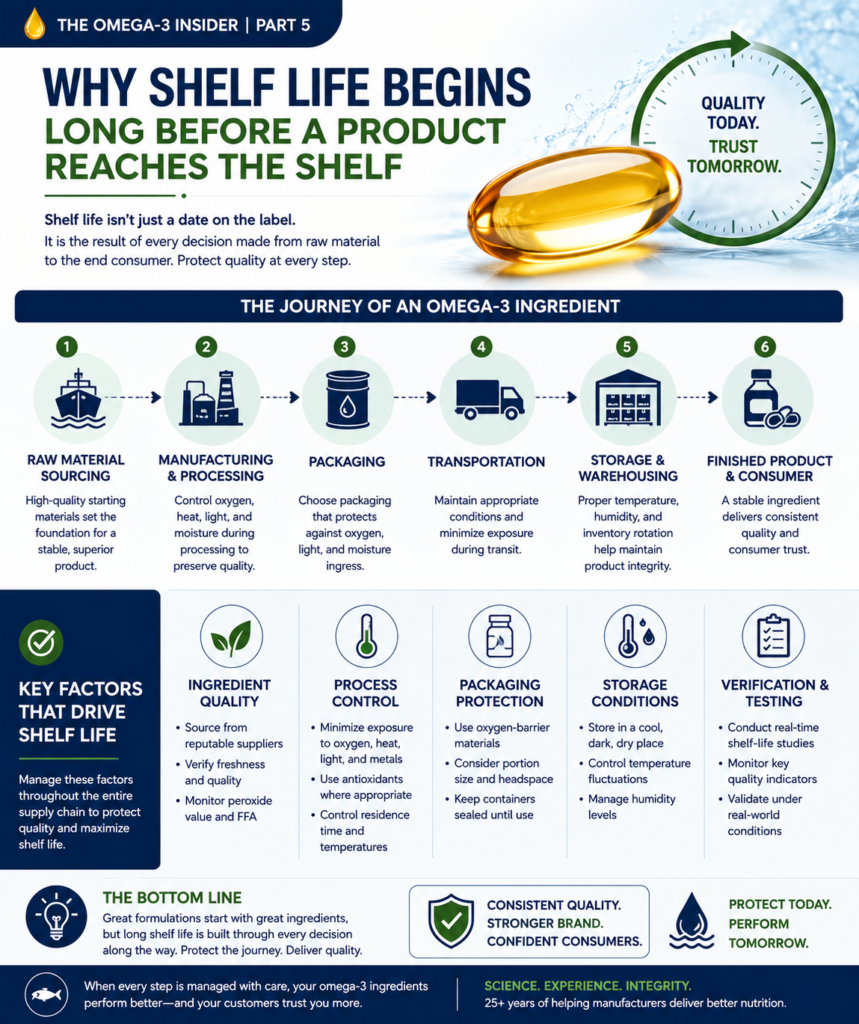
Why Shelf Life Begins Long Before a Product Reaches the Shelf
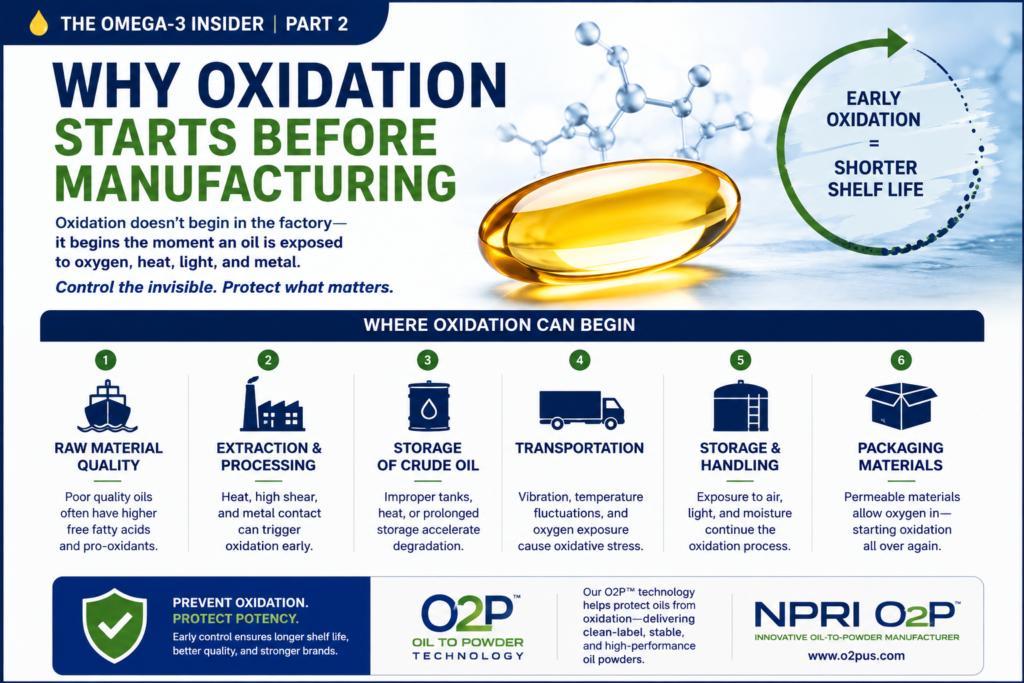
How O2P™ Technology Protects Oils from Oxidation
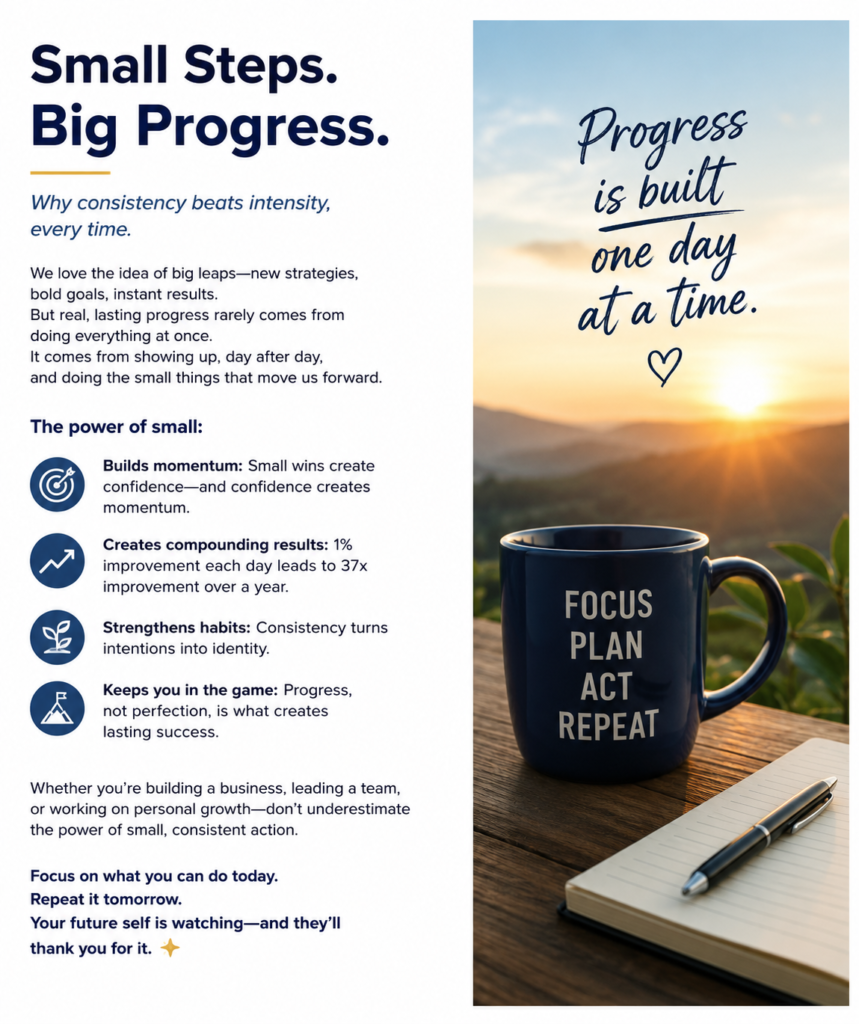
People Don't Buy Oil—They Buy Better Health
Shelf life begins long before a finished product reaches the consumer. Learn how raw material quality, manufacturing, packaging, storage, and transportation all contribute to product stability and long-term performance.
Oxidation begins long before oils reach the manufacturing line. Learn how raw material quality, processing, storage, transportation, and oxygen exposure can silently reduce stability, potency, and shelf life.
Discover why consumers value the health benefits of fatty acids more than the oils themselves, and why protecting those nutrients is essential to product quality.
